
A woman’s body goes through a lot. Sometimes in the same week.
Between managing energy levels, hormonal shifts, the nutritional demands of pregnancy, and the recovery your body needs after a good workout, it is a lot to keep up with. And while nutrition advice online tends to get overwhelming fast, the answer is often simpler than you think.
Dry fruits are one of the most nutrient-dense, portable, and practical foods you can add to your routine. No prep, no cooking, no complicated meal planning. The right ones, eaten at the right time, can make a genuinely noticeable difference to how you feel day to day.
Here is a practical, no-fluff guide to the best dry fruits for women’s health across three of the most important phases, because your body deserves food that actually works for it.
Dry Fruits During Pregnancy: Nourishing Two at Once
Pregnancy increases your body’s demand for iron, folate, calcium, omega-3 fatty acids, and fibre, all at once. Dry fruits happen to be one of the most concentrated sources of these nutrients in a small, easy-to-eat format, which matters a lot when nausea is making full meals difficult.
The bonus? Most dry fruits are naturally sweet, which helps satisfy sugar cravings in a far more nourishing way than reaching for biscuits or packaged snacks.
Dates: The Most Recommended Dry Fruit in Pregnancy
Dates are rich in natural sugars, iron, potassium, magnesium, and fibre. Several clinical studies suggest that eating dates in the third trimester may support cervical dilation and reduce the likelihood of induced labour. Their high iron content also helps prevent iron-deficiency anaemia, one of the most common nutritional concerns during pregnancy in India.
They also help with pregnancy-related constipation, which is far more common than it gets talked about, thanks to their natural fibre content.
How much: 3 to 5 dates a day is a widely followed guideline, though always check with your doctor if you are managing blood sugar levels.
Almonds: For Fetal Brain Development and Bone Strength
Almonds are one of the best plant-based sources of Vitamin E, calcium, folate, and protein. Folate is especially critical in the first trimester for preventing neural tube defects in the baby. The healthy monounsaturated fats in almonds support fetal brain development across all three trimesters and help with maternal bone density as well.
Soaking almonds overnight also improves their digestibility and increases nutrient absorption, which is why soaked almonds have been part of Indian pregnancy traditions for generations.
How much: 8 to 10 soaked almonds daily is a well-established practice, and the science supports it.
Walnuts: The Omega-3 Powerhouse for Baby’s Brain
Walnuts are one of the richest plant-based sources of Omega-3 fatty acids (ALA), which are directly tied to fetal brain and eye development. They are also high in antioxidants that help reduce inflammation during pregnancy and support the immune system. For vegetarian and vegan mothers especially, walnuts are an excellent way to meet Omega-3 requirements without relying on fish.
How much: 2 to 4 walnuts daily. They are calorie-dense, so moderation is the key.
Dry Fruits During Periods: Managing Cramps, Fatigue, and Cravings Naturally
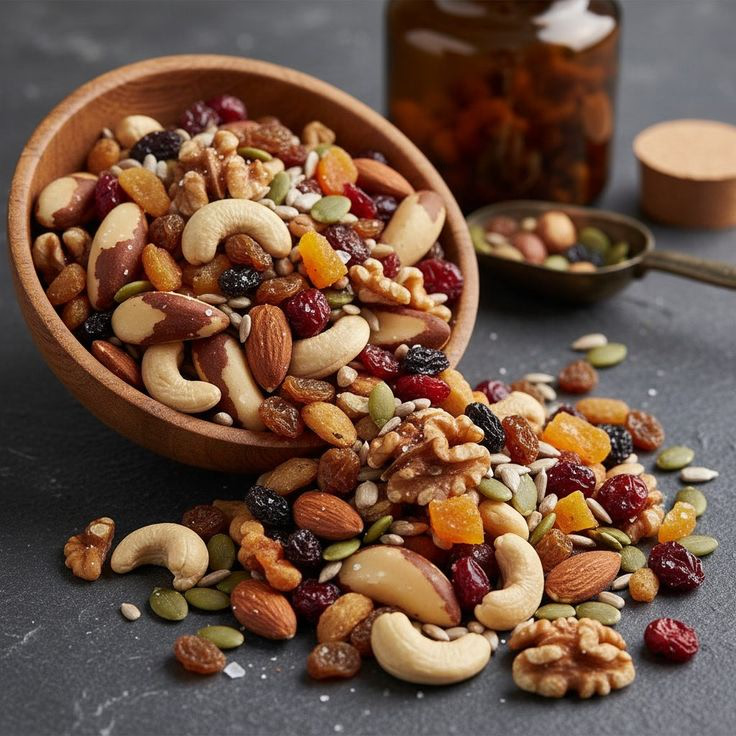
During your period, your body loses iron through blood, your magnesium levels drop (which directly worsens cramping), and your energy takes a noticeable hit. Most women reach for chocolate or chai, and while there is nothing wrong with that, adding a few specific dry fruits to the mix can genuinely ease the experience.
What you eat in these few days can either make things harder or meaningfully more manageable. Here is what to reach for.
Raisins: Iron Replenishment in Every Bite
Raisins are among the most iron-rich dry fruits available and an ideal snack during and after your period. Iron loss during menstruation is one of the leading causes of fatigue and brain fog in women, and raisins offer a quick, natural way to begin replenishing it. A small handful also satisfies sugar cravings in a far more nourishing way than processed sweets. Pair them with a Vitamin C source like a piece of amla or an orange to improve iron absorption.
Cashews: For Cramps, Mood, and Better Sleep
Cashews are one of the best dietary sources of magnesium, a mineral that relaxes uterine muscles and reduces the severity of menstrual cramps. Magnesium also supports serotonin production, which helps stabilise the mood fluctuations and anxiety that often come with PMS. As an added benefit, magnesium supports deeper sleep, which tends to be disrupted during the first couple of days of your period.
Dried Figs: For Bloating and Digestive Discomfort
Bloating and digestive discomfort are very common during periods and rarely talked about enough. Dried figs are high in fibre and potassium, which together help ease bloating, regulate digestion, and reduce water retention. They are gentle on the stomach, naturally sweet, and a surprisingly satisfying mid-afternoon snack when everything feels heavy and uncomfortable.
Dry Fruits Post-Workout: Recovering Smarter, Not Harder
After a workout, your body needs three things quickly: glycogen to replenish energy stores, protein to begin muscle repair, and electrolytes to rehydrate. Most women either skip post-workout nutrition altogether or reach for a protein shake that tastes like chalk. Dry fruits are a genuinely good middle ground.
They are portable, require zero preparation, and deliver a surprisingly well-rounded nutrient profile in a small handful.
What to Eat and Why
- Raisins: Fast-digesting natural sugars that restore glycogen quickly. Best eaten within 30 minutes of finishing your workout to kick-start recovery.
- Almonds: Protein and Vitamin E for muscle repair and reducing post-exercise oxidative stress. Especially useful after weight training sessions.
- Cashews: Magnesium and zinc together reduce muscle soreness and support overnight recovery. Great for anyone who works out in the evening.
- Pistachios: One of the few plant-based complete protein sources, containing all essential amino acids. Excellent for women doing strength or resistance training.
A simple post-workout mix of a small handful of cashews, almonds, and raisins gives you protein, healthy carbohydrates, and electrolytes in under 150 calories, with zero preparation time.
Quick Reference: Which Dry Fruit for Which Phase
- Pregnancy: Dates, soaked almonds, walnuts
- Periods: Raisins, cashews, dried figs
- Post-workout: Raisins, almonds, cashews, pistachios
Your Daily Handful, Done Right
Whether you are in your first trimester, powering through a tough week, or refuelling after a morning run, the dry fruits you reach for genuinely matter. Freshness, purity, and sourcing affect both the taste and the nutritional value you actually receive.
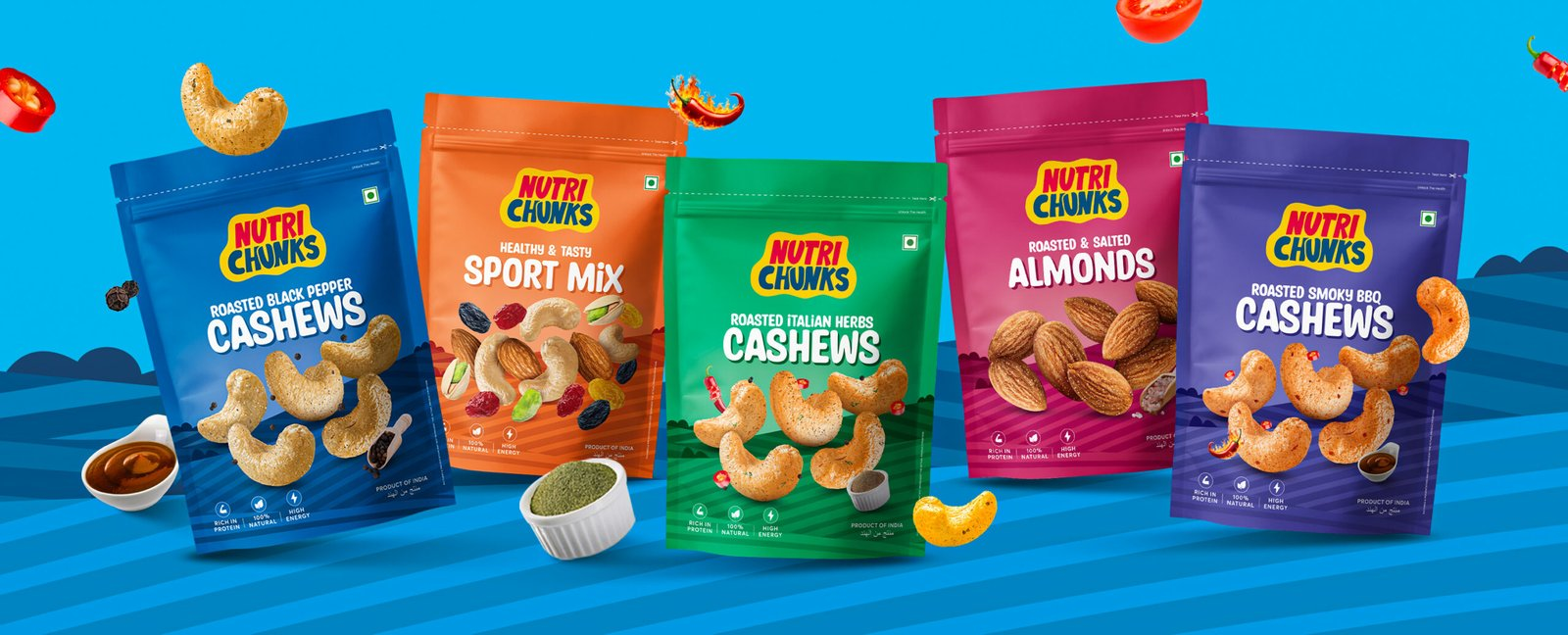
Nutri Chunks brings you handpicked, farm-fresh dry fruits with no additives, no preservatives, and no compromise on quality. From premium soaked almonds and roasted cashews to Afghani raisins and beyond, every product is selected to give your body exactly what it needs across every phase of life.
Explore the full range at nutrichunksfoods.com and find your daily handful.
Leave a Reply